Enhancing Efficiency and Productivity with Skid Steer Loaders
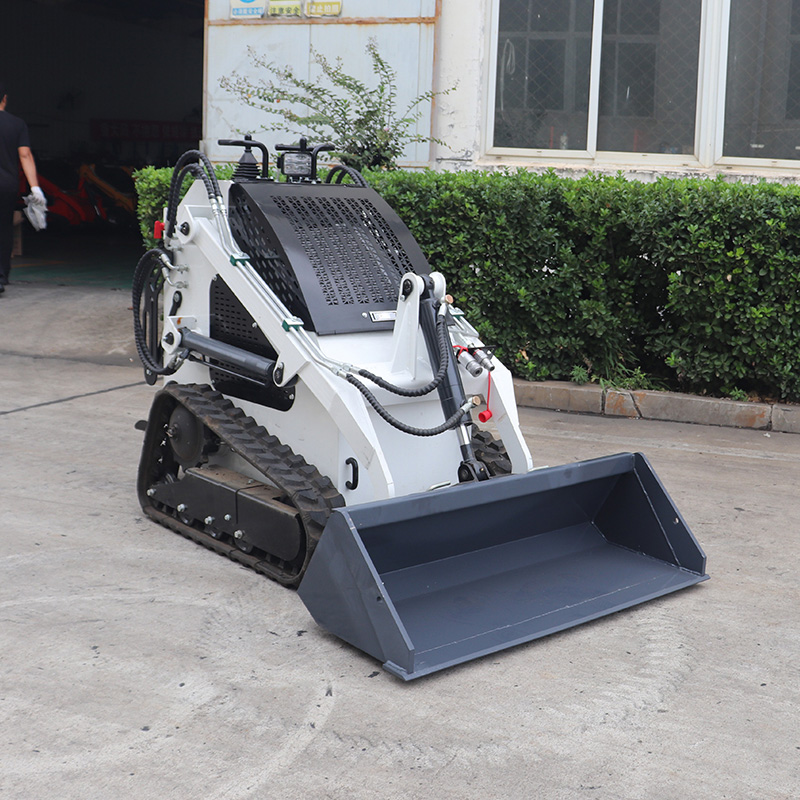
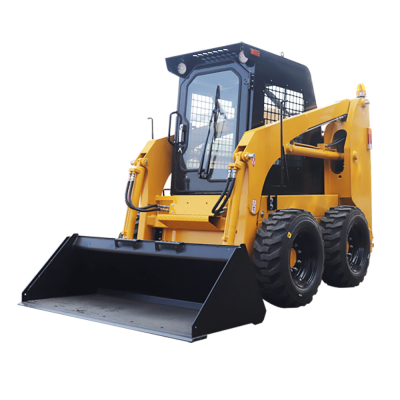
Skid steer loaders are highly versatile machines that play a crucial role in industries such as construction, landscaping, agriculture, and more. Their compact size and powerful performance make them ideal for working in confined spaces and handling a wide range of tasks. To fully optimize the performance of skid steer loaders, operators must focus on proper machine handling, maintenance, and selecting the appropriate attachments for each job. Below are some key strategies to enhance the productivity and longevity of skid steer loaders.
Choose the Correct Attachments
One of the most valuable features of skid steer loaders is their compatibility with various attachments, which allows them to perform multiple tasks. Whether you're lifting, digging, grading, or snow clearing, selecting the right attachment for each specific job is essential. For instance, using a high-flow hydraulic attachment can significantly improve productivity when performing demanding tasks like trenching or breaking up concrete. By choosing the right tools, you ensure greater efficiency and faster project completion.
Ensure Proper Load Distribution
Skid steer loaders are built for maneuverability, but improper load distribution can impact their performance and stability. Always ensure that loads are balanced and centered within the bucket or attachment. Keeping the load close to the machine’s base helps avoid tipping and unnecessary stress on the loader’s hydraulics. Proper weight distribution also helps to maintain control and ensures that the loader operates smoothly, especially when lifting or carrying heavy materials.
Perform Regular Maintenance
Maintaining your skid steer loader in peak condition is vital for optimal performance. Regular maintenance includes checking the fluid levels (engine oil, hydraulic oil, coolant), cleaning air filters, and inspecting tires or tracks for wear. Performing these checks regularly helps avoid mechanical failures and reduces the risk of costly repairs. A well-maintained loader performs more efficiently, saving both time and money while extending the machine's lifespan.
Optimize Hydraulic Efficiency
The hydraulic system is key to the loader’s power and ability to handle attachments. To maximize hydraulic efficiency, make sure the hydraulic oil is at the right level and free from contaminants. Use high-quality hydraulic fluid and routinely check for any leaks or signs of damage in hoses and fittings. If your work involves heavy-duty attachments, consider a high-flow hydraulic system to ensure sufficient power for demanding tasks.
Smooth and Efficient Operation
Operators should aim for smooth, controlled movements when using a skid steer loader. Jerky motions or abrupt stops can cause wear on the machine and reduce fuel efficiency. Operating the loader with smooth, gradual movements helps to conserve fuel, reduce stress on the engine, and minimize wear and tear on components such as the hydraulic system, tires, and tracks.
Proper Operator Training
A well-trained operator is key to getting the most out of a skid steer loader. Operators must understand the machine's capabilities, limitations, and safety protocols. By mastering the correct operating techniques, the operator can ensure maximum efficiency, prevent accidents, and avoid overloading the machine. Proper training also helps improve decision-making, making it easier to select the right attachments and optimize machine performance for each task.
In conclusion, maximizing skid steer loader performance involves a combination of choosing the right attachments, performing regular maintenance, ensuring smooth operation, and ensuring that operators are well-trained. By following these strategies, you can improve efficiency, reduce operational costs, and extend the life of your skid steer loader. Whether it's for construction, landscaping, or material handling, maintaining optimal performance is crucial to getting the best results from your skid steer loader.