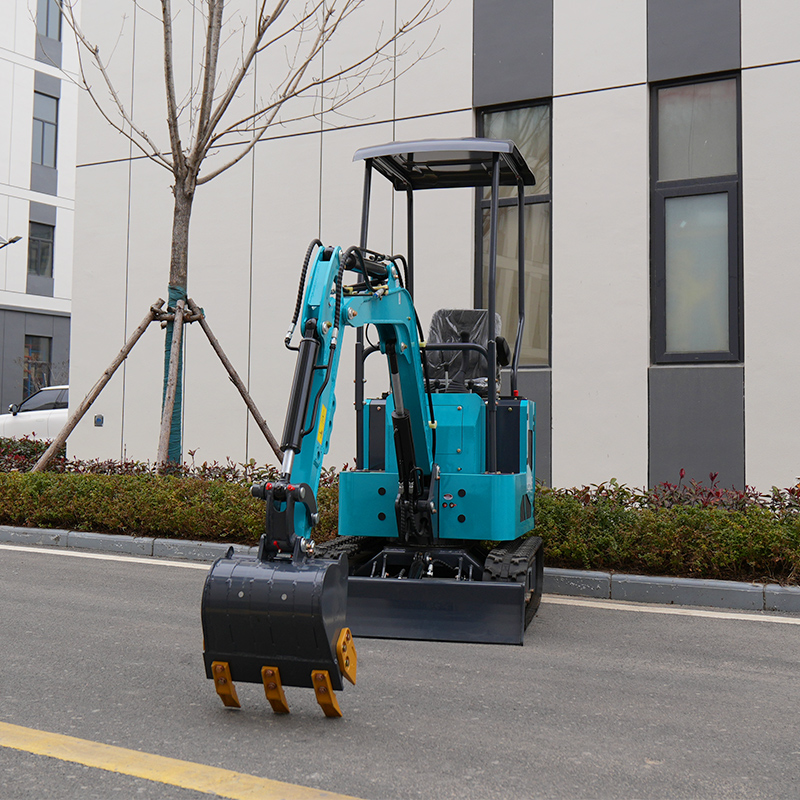
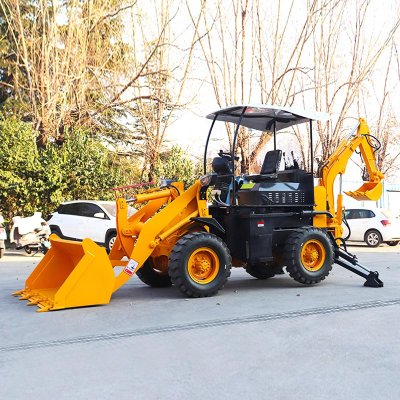
Free Shipping Mini Excavator 1.8 Ton EPA Engine mini excavadora Crawler Digger
The global construction equipment sector is witnessing a paradigm shift as leading manufacturers launch advanced excavator lines integrating electrification, autonomous technology, and smart connectivity. Fueled by a 6.7% CAGR projection for the construction equipment market (2025-2032) and rising infrastructure investments worldwide, these next-generation machines are setting new benchmarks for efficiency, sustainability, and operational excellence.
Electrification Takes Center Stage in Eco-Conscious Design:
Industry leaders are accelerating the transition to low-carbon excavators, with hybrid and fully electric models emerging as game-changers. Leading hybrid excavators reduce fuel consumption by up to 30% compared to conventional diesel counterparts, while achieving zero-emission operation in urban and indoor job sites. Similarly, state-of-the-art all-electric concept excavators leverage a 96%-efficient electric drive system, cutting annual operational costs by over $120,000 for heavy-duty mining applications.
These innovations align with stringent global emission standards, including EU Stage V and U.S. Tier 4 Final regulations, which mandate drastic reductions in particulate matter (PM) and nitrogen oxides (NOₓ). Lightweight design, incorporating high-strength steel and carbon-fiber composites, further enhances energy efficiency without compromising structural integrity—slashing CO₂ emissions while boosting maneuverability on complex job sites.
AI-Powered Intelligence Transforms Operational Efficiency:
Smart technology integration is redefining excavator performance, with AI-driven features optimizing precision and productivity. Advanced mid-size excavators come standard with 2D grade control, payload monitoring, and auto-dig boost, enabling operators to achieve 15% higher material movement per hour while reducing human error. The machines’ user-friendly interfaces simplify calibration and attachment changes, minimizing downtime and maximizing uptime.
Autonomous operation is another breakthrough, with L3-level unmanned excavators deployed in ports, mines, and highway construction. Equipped with 3D GPS mapping and real-time environmental sensing, these machines operate continuously with 10% higher transport efficiency and significantly reduced labor costs. Next-gen hydraulic systems, paired with IoT-enabled remote diagnostics, ensure predictive maintenance—lowering service costs by 20% and extending component lifespan.
Global Market Expansion Drives Innovation Momentum:
The surge in excavator demand is fueled by robust export growth, particularly from Asian manufacturers. In 2025, Chinese excavator exports reached 53% of total sales, with leading brands expanding local production networks across “Belt and Road” economies. This global footprint, combined with 24/7 after-sales support and comprehensive dealer networks, has solidified market leadership for top players.
Future Outlook: Convergence of Green and Smart Technologies:
As the construction industry prioritizes sustainability and digitalization, excavator manufacturers are investing in hybrid power trains, hydrogen fuel cells, and AI-driven fleet management systems. The integration of digital twins and real-time data analytics—enabled by industry-leading connectivity platforms—will further optimize resource allocation and reduce environmental impact.
“The excavator of tomorrow is defined by its ability to balance power with purpose,” said a senior industry analyst. “With electrification and autonomy no longer optional but essential, manufacturers that prioritize innovation will lead the next wave of construction transformation.”
For more information on leading excavator models and technological advancements, visit industry trade platforms or contact authorized dealers worldwide.